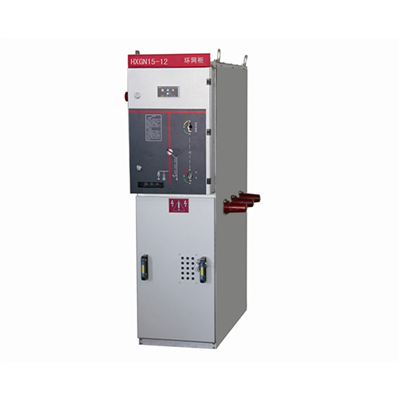
When it comes to compact substations, seismic requirements are a crucial aspect that cannot be overlooked. As a supplier of compact substations, I understand the significance of ensuring that our products meet the necessary standards to withstand seismic events. In this blog, I will delve into the seismic requirements for compact substations, explaining why they are important, the factors that influence these requirements, and how we, as a supplier, ensure our substations are up to the task. Compact Substation
Importance of Seismic Requirements for Compact Substations
Compact substations play a vital role in the electrical distribution system. They are used to step down voltage levels, protect electrical equipment, and ensure a reliable power supply to various consumers. In regions prone to seismic activity, the safety and functionality of these substations are at risk during an earthquake. A failure of a compact substation during a seismic event can lead to widespread power outages, damage to electrical equipment, and even endanger human lives.
Seismic requirements are established to minimize the risk of substation failure during an earthquake. By designing and constructing compact substations to meet these requirements, we can ensure that they remain operational and safe, reducing the impact of seismic events on the electrical grid and the communities it serves.
Factors Influencing Seismic Requirements
Several factors influence the seismic requirements for compact substations. These factors are considered when determining the appropriate design and construction standards for a particular location.
Seismic Hazard Zoning
The first and most important factor is the seismic hazard zoning of the area where the substation will be installed. Governments and international organizations have developed seismic hazard maps that divide the world into different zones based on the expected intensity of seismic activity. These zones are typically classified according to the peak ground acceleration (PGA) or the spectral acceleration at specific periods.
In areas with high seismic activity, the seismic requirements for compact substations will be more stringent. For example, a substation installed in a region with a high PGA will need to be designed to withstand greater forces during an earthquake compared to a substation in a low-seismic area.
Substation Location and Soil Conditions
The location of the substation and the soil conditions at the site also play a significant role in determining the seismic requirements. The type of soil can affect the way seismic waves propagate and the response of the substation structure.
Soft soils, such as clay or sand, can amplify seismic waves, increasing the forces exerted on the substation. In contrast, hard soils, like rock, tend to transmit seismic waves more efficiently without significant amplification. Therefore, substations installed on soft soils may require additional foundation design and structural reinforcement to ensure their stability during an earthquake.
Substation Design and Configuration
The design and configuration of the compact substation are also important factors. The size, shape, and layout of the substation, as well as the type and arrangement of electrical equipment, can influence its seismic response.
For example, a substation with a more compact and streamlined design may be more resistant to seismic forces than a large, open – layout substation. Additionally, the way electrical components are mounted and connected within the substation can affect their ability to withstand seismic vibrations. Flexible connections and proper bracing can help prevent damage to equipment during an earthquake.
Seismic Design Standards and Codes
To ensure the safety and reliability of compact substations in seismic regions, various design standards and codes have been developed. These standards provide guidelines for the design, construction, and testing of substations to ensure they can withstand seismic events.
One of the most widely recognized standards is the International Electrotechnical Commission (IEC) 61427, which provides requirements for the design and testing of electrical energy storage systems, including those used in compact substations. This standard includes provisions for seismic resistance, such as requirements for the mechanical design of enclosures and the stability of electrical components during seismic events.
In the United States, the National Electrical Safety Code (NESC) and the American Society of Civil Engineers (ASCE) standards also address the seismic requirements for electrical substations. These standards specify the design loads, structural analysis methods, and construction details to ensure the seismic safety of substations.
How We Ensure Our Compact Substations Meet Seismic Requirements
As a supplier of compact substations, we take seismic requirements very seriously. Our design and manufacturing processes are carefully tailored to meet the specific seismic conditions of each project.
Site Assessment
Before starting the design of a compact substation, we conduct a thorough site assessment. This includes obtaining information about the seismic hazard zoning of the area, the soil conditions at the site, and any other relevant geological data. We work closely with geotechnical engineers to analyze the soil properties and determine the appropriate foundation design for the substation.
Advanced Design and Engineering
Our engineering team uses advanced design software and analysis tools to model the seismic response of the compact substation. We perform detailed structural analysis to ensure that the substation structure can withstand the expected seismic forces. This includes analyzing the stresses and strains in the frame, enclosure, and electrical components during an earthquake.
We also pay special attention to the design of the electrical connections and mounting systems. We use flexible connectors and shock – absorbing materials to reduce the impact of seismic vibrations on the electrical equipment. Additionally, we ensure that all components are properly braced and secured to prevent movement during an earthquake.
Testing and Quality Control
Once the compact substation is manufactured, we conduct rigorous testing to ensure it meets the seismic requirements. We perform shake table tests, where the substation is subjected to simulated seismic vibrations to verify its performance. These tests allow us to identify any potential weaknesses in the design and make necessary adjustments before the substation is installed at the site.
In addition to shake table tests, we also implement a comprehensive quality control program throughout the manufacturing process. Our quality control team inspects every component and assembly to ensure they meet the highest standards of quality and safety.
Conclusion
Seismic requirements for compact substations are essential for ensuring the safety and reliability of the electrical distribution system in earthquake – prone regions. By considering factors such as seismic hazard zoning, substation location, soil conditions, and design configuration, we can design and manufacture compact substations that can withstand seismic events.
As a supplier, we are committed to providing our customers with high – quality compact substations that meet the most stringent seismic requirements. Our advanced design and engineering capabilities, combined with rigorous testing and quality control, ensure that our substations are safe, reliable, and ready to perform in any seismic environment.
If you are in need of a compact substation and want to ensure it meets the necessary seismic requirements, we would be more than happy to discuss your project with you. Contact us to start a procurement discussion and let us help you find the best solution for your electrical distribution needs.
Low Voltage Switchgear References
- International Electrotechnical Commission (IEC). (Year). IEC 61427 – Secondary cells and batteries for renewable energy storage.
- National Electrical Safety Code (NESC). (Year). NESC standards for electrical substations.
- American Society of Civil Engineers (ASCE). (Year). ASCE standards for seismic design of electrical facilities.
Anhui Xinchen Electrical Equipment Co., Ltd.
We are one of the most reliable compact substation manufacturers and suppliers in China, specialized in providing high quality customized products. We warmly welcome you to buy bulk compact substation for sale here from our factory. Contact us for quotation.
Address: No. 8, Waihuan South Road, Economic and Technical Development Zone, Ningguo City, Xuancheng City, Anhui Province
E-mail: xinchen0316@126.com
WebSite: https://www.cn-xinchen.com/
