Hey everyone, thanks for stopping by—so glad you’re here, especially if you’ve been digging around turbine stuff lately. I’m Jake, been selling turbine gland seals for almost 8 years now, and let me tell you, one question I get nonstop from plant engineers, maintenance managers, and even the new guys on the floor is: “How the hell does this thing actually stop steam from leaking? It seems so simple, right?” Turbine Gland Seal
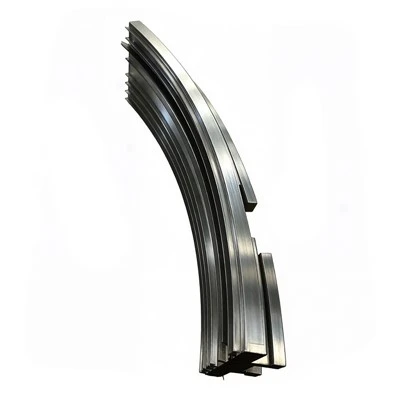
I get it. When you first look at a turbine gland seal, it’s not some fancy part with a million moving parts. It’s these little rings, usually made of graphite or carbon, stacked up on the shaft where the shaft sticks out of the turbine casing. But here’s the thing—those simple parts are basically the last line of defense against a huge headache. Steam leaking out of your turbine isn’t just annoying; it’s wasted energy, it’s a safety hazard, and it can eat away at adjacent equipment faster than you’d believe. Last year, I had a client in Ohio who thought their steam leak was “no big deal” because it was only a tiny drip. By the time they fixed it, they’d wasted like $40k in fuel just making steam that was escaping. Oops.
So let’s break down how turbine gland seals actually work to stop that steam leak, no jargon, I promise. First, let’s set the scene. Turbines run at super high pressure inside, right? The core of the turbine has steam cranked up to hundreds of PSI—way higher than atmospheric pressure. And the shaft that spins all those turbine blades has to come out of the casing to connect to a generator or whatever it’s powering. If there was nothing sealing that gap between the shaft and the casing, all that high-pressure steam would blast straight out, and even worse, air would get sucked back into the turbine, which messes up the efficiency big time too. That’s why you need a gland seal.
Now, the old way people did this was with labyrinth seals—those weird zig-zag metal fins around the shaft. But labyrinth seals have their problems: they work kind of like a pinball machine, making the steam bounce around to slow it down, but they let way more steam through than they should. And when the shaft vibrates a little (which it does, all the time), those metal fins can scratch the shaft, which means you’re looking at expensive repairs before long. That’s why most plants switched to carbon/graphite gland seals like we sell, and that’s what I’m gonna focus on here.
First, let’s talk about the materials. The carbon or graphite we use isn’t just regular pencil lead, trust me. It’s impregnated with stuff like resin or even metal to make it durable, heat-resistant, and low-friction. That’s important because the shaft is spinning, so the seal has to ride really close to it without rubbing so hard it wears either the shaft or the seal out. The gap between the seal ring and the shaft is tiny—like, thousandths of an inch. Too big, steam leaks. Too small, they scrape against each other and cause damage.
Here’s the magic part: the seal has this thing called a “controlled leak” that’s actually intentional, not a flaw. Wait, I know that sounds counterintuitive, but hear me out. Most people think a seal should stop 100% of steam, but that’s impossible, and trying to do it causes more problems. The gland seal system is set up so there’s a small amount of steam that blasts through the stack of seal rings. Let’s walk through the path. The high-pressure steam inside the turbine pushes toward the seal. The first ring is the closest to the high-pressure zone, and each subsequent ring has a little smaller gap or a groove that catches and slows the steam down. So by the time the steam gets to the outermost ring, it’s not high-pressure steam anymore—it’s at almost atmospheric pressure. That small amount of steam that escapes there is what we call a “stripping steam” or “control steam.” It’s not wasted, really—we pipe it back into the turbine’s low-pressure section or use it for other plant purposes like heating or feedwater.
But wait, what about the air that would get sucked back in? That’s where the seal’s design really shines. If the pressure of that control steam is just a tiny bit higher than atmospheric pressure, it creates a little barrier that stops air from getting pulled back into the turbine. Air in the turbine is bad because it lowers the overall pressure, which makes the turbine work harder to generate the same amount of power. That’s a double win—stop steam from leaking out, and stop air from getting in.
Now, let’s talk about why the material matters here. Carbon and graphite are self-lubricating, right? So when the seal is riding super close to the spinning shaft, there’s enough of a tiny carbon layer that it doesn’t cause friction that wears down the shaft or the seal. Compare that to metal labyrinth seals, which don’t lubricate themselves—they need separate oil systems, which add complexity and more parts to break. Also, graphite can handle super high temperatures—turbine steam is like 900 degrees Fahrenheit sometimes, and these seals don’t melt or warp. That’s a big deal because if a seal warps, it loses that tight gap and steam starts leaking.
I also gotta mention something called “gland loading.” The gland seal is held in place by a little amount of pressure, not clamped down super tight. That loading is adjusted so the seal stays pressed against the shaft just enough to keep the gap consistent, even when the shaft expands or vibrates as it runs. Turbines get hot when they’re running, and the shaft expands, so if the seal was clamped down hard from the start, when the shaft expands, it would rub way too hard and cause wear. That’s another reason our design works—we calculate the right loading for each turbine, not a one-size-fits-all approach.
Last year, I worked with a plant in Texas that was having massive steam leaks from their turbine. They’d tried replacing the old labyrinth seals a couple times, but the leaks came back within six months. Turns out the labyrinth seals were letting too much steam through, and their air intake was messing up their efficiency. We swapped them out for our carbon gland seals, and within a month, they reported their steam leak was gone, their power output went up by 2% (which is huge for a big turbine—adds up to thousands of dollars a month), and they didn’t have to do any shaft repairs. That’s the kind of win I live for.
A lot of new guys in the industry think a seal is just a part you bolt on and forget, but it’s way more involved. It’s all about balancing pressure, material properties, and the fit between the seal and the shaft. If any of those are off, you get leaks, wasted energy, downtime. I’ve seen seals that were installed wrong—like, someone tightened them way too tight, so they wore out in three months. Or seals made of cheap graphite that didn’t hold up to the heat, so they warped and leaked. That’s why it matters who you get your seals from—we test every seal before it leaves our warehouse, make sure the gaps are exactly right, and the material is grade-A.
Wait, let’s also clear up a common myth: a lot of people think steam leaks are just a part of running a turbine, like a squeaky hinge. No, they’re not. Modern turbine designs are built to have almost no steam leakage, and the right gland seal is the key. Even a tiny leak—like a few gallons of steam an hour—adds up to thousands of dollars a year in wasted fuel, plus the cost of maintenance to fix it. And it’s not just money—leaking steam is hot, so it’s a burn hazard for the crew working around the turbine. That’s a safety thing too, not just an efficiency thing.
So to wrap this up, how does a turbine gland seal prevent steam leakage? Let’s keep it simple, no fancy terms:
- It uses durable, self-lubricating carbon/graphite materials that ride super close to the spinning shaft without causing damage.
- The stacked ring design creates small, controlled spaces that slow down high-pressure steam as it moves toward the outside, reducing its pressure to almost atmospheric by the time it exits.
- That small amount of exiting steam is kept at a pressure just higher than the air around it, which not only stops steam from leaking out but also blocks air from getting sucked back into the turbine, boosting efficiency.
- The precise loading and fit of the seal adapt to the shaft’s expansion and vibration, so it stays tight and effective even when the turbine is running at full power.
At the end of the day, it’s a simple part that does a really important job. I’ve been in this long enough to know that when a turbine is running smooth, no leaks, no air intrusion, that’s a happy turbine—and a happy crew, and a happy bottom line.
If you’re dealing with steam leaks on your turbine, or you’re looking to upgrade your old seals to save on fuel and downtime, don’t hesitate to reach out. We’ve worked with all kinds of turbines, from small ones at factories to massive power plant units, and we can help you find the right seal for your setup. No pushy sales stuff, just real advice from someone who’s been in the field, seen the problems, and knows how to fix them.

Want to check our products or chat? Just get in touch.
Aircraft Engine Seal References:
- American Society of Mechanical Engineers. (2020). Steam Turbine Seal Technology and Performance Guidelines. ASME Press.
- Gaseous Emissions Control for Power Plants. (2021). Section 3: Turbine Sealing Systems. Energy Research Association.
- Carbon and Graphite Seal Materials for Industrial Applications. (2019). Tribology Transactions, Vol. 62, No. 4, pp. 587-595.
Jiangsu Turbine Electric Power Technology Co., Ltd.
As one of the most professional turbine gland seal manufacturers and suppliers in China, we have world-leading production equipment and strong manufacturing capabilities. Please feel free to buy advanced turbine gland seal for sale here and get pricelist from our factory. Customized orders are welcome.
Address: Building 8, Huaqi Yungu Xuzhou Lingang Industry Accelerator, Jiawang District, Xuzhou City, Jiangsu Province
E-mail: zjh800@163.com
WebSite: https://www.cnturbine.com/
