When it comes to the Material Storage and Automatic Loading/Unloading System, understanding the maintenance costs is crucial for both suppliers like me and potential customers. In this blog post, I’ll share insights from my experience in the industry, shedding light on the various factors contributing to the maintenance costs of these systems. Material Storage and Automatic Loading/Unloading System
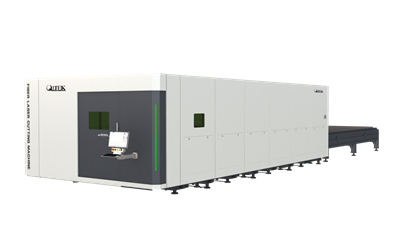
Understanding the Material Storage and Automatic Loading/Unloading System
Before diving into the maintenance costs, let’s briefly recap what a Material Storage and Automatic Loading/Unloading System entails. This integrated system is designed to efficiently store raw materials, semi – finished products, or finished goods and automate the processes of loading and unloading. It often consists of storage racks, conveyors, robotic arms, sensors, control systems, and software. These components work in harmony to optimize the storage space, reduce labor costs, and enhance operational efficiency.
Components Affecting Maintenance Costs
1. Storage Racks
Storage racks are the backbone of the material storage part of the system. Over time, they can experience wear and tear due to factors such as heavy loads, frequent movement of materials, and environmental conditions. The maintenance of storage racks may involve regular inspections for signs of corrosion, deformation, or loose connections.
- Inspection Costs: Professional inspections should be carried out at least annually. The cost of these inspections can vary depending on the size and complexity of the rack system. A small – to – medium – sized rack system may incur inspection costs ranging from a few hundred to a couple of thousand dollars per year.
- Replacement and Repair: If racks are damaged, parts may need to be replaced or repaired. For example, if a beam is bent, it may require straightening or complete replacement. The cost of replacement parts can add up quickly, especially for specialized or high – capacity racks. Additionally, labor costs for installation and repair work also contribute to the overall expense.
2. Conveyor Systems
Conveyors are responsible for moving materials within the system. They are subject to continuous operation, which can lead to mechanical failures, belt wear, and motor problems.
- Belt Replacement: Conveyor belts are a common wear – item. Depending on the type of belt, usage frequency, and the nature of the materials being transported, belts may need to be replaced every few months to a few years. The cost of a conveyor belt can vary widely, from a few hundred dollars for a small, lightweight belt to several thousand dollars for a large, heavy – duty one.
- Motor and Drive Maintenance: Motors and drives are critical components of the conveyor system. Regular maintenance, such as lubrication, bearing replacement, and electrical checks, is necessary to ensure their proper functioning. The cost of motor and drive maintenance can include the price of replacement parts, labor for servicing, and downtime costs if the system needs to be shut down for maintenance.
3. Robotic Arms
Robotic arms play a key role in the automatic loading and unloading processes. They are high – precision machines that require careful maintenance.
- Calibration and Programming: To ensure accurate operation, robotic arms need to be calibrated regularly. This process may involve checking and adjusting the arm’s movement accuracy, orientation, and grasping force. Calibration costs can include the time and expertise of technicians, as well as the use of specialized equipment. Moreover, the software used to program the robotic arms may need updates to improve performance and functionality.
- Component Wear: The joints, gears, and actuators of robotic arms are subject to wear and tear. Replacing these components can be quite expensive, especially for high – end robotic models. Additionally, the cost of training operators to maintain and troubleshoot robotic arms should also be considered.
4. Sensors and Control Systems
Sensors are used to detect the position, presence, and quantity of materials, while control systems manage the overall operation of the system.
- Sensor Replacement: Sensors can malfunction due to dust, moisture, or electrical interference. Replacing sensors can be costly, especially for specialized or high – precision sensors. The cost also includes the labor for installation and calibration.
- Software and Hardware Upgrades: Control systems need to be updated regularly to keep up with technological advancements and to ensure compatibility with other components. Software upgrades may require licensing fees, while hardware upgrades may involve purchasing new control units or servers.
Hidden Costs in Maintenance
1. Downtime
When the Material Storage and Automatic Loading/Unloading System is down for maintenance, it can cause significant disruptions to the production process. The cost of downtime includes lost production, missed delivery deadlines, and potential damage to customer relationships.
- Production Loss: Depending on the industry and the scale of operations, the cost of production loss can be substantial. For example, in a high – volume manufacturing plant, an hour of downtime can result in thousands of dollars in lost revenue.
- Repair Time and Scheduling: Minimizing downtime requires careful planning of maintenance schedules. However, unexpected breakdowns can still occur, leading to unplanned downtime. The cost of expediting repairs, such as overtime pay for maintenance staff or emergency parts procurement, should also be factored into the overall maintenance costs.
2. Training and Certification
To ensure proper maintenance of the system, operators and maintenance staff need to be trained. Training programs can cover topics such as system operation, troubleshooting, and safety procedures.
- Training Courses: Participating in training courses provided by equipment manufacturers or third – party trainers can be expensive. The cost includes tuition fees, travel expenses (if applicable), and the time spent away from work.
- Certification: Some maintenance tasks may require technicians to be certified. Obtaining and maintaining these certifications can involve additional costs, such as exam fees and continuing education requirements.
Strategies to Reduce Maintenance Costs
1. Preventive Maintenance
Implementing a preventive maintenance program can help identify and address potential problems before they become major issues. This involves regular inspections, lubrication, and component replacements based on a predefined schedule.
- Long – term Savings: Although preventive maintenance requires an upfront investment in terms of time and resources, it can significantly reduce the frequency and severity of breakdowns, leading to long – term cost savings.
- Customized Maintenance Plans: Developing a customized preventive maintenance plan based on the specific usage and operating conditions of the system can further optimize maintenance costs.
2. Component Standardization
Using standardized components in the system can simplify maintenance and reduce costs. Standardized parts are more readily available, and their replacement is often easier and less expensive.
- Interchangeability: When components are interchangeable, it becomes easier to stock spare parts and perform quick replacements in case of failures.
- Vendor Relationships: Establishing good relationships with component vendors can also lead to better pricing and faster delivery times, further reducing maintenance costs.
3. Remote Monitoring and Predictive Analytics
Leveraging remote monitoring technology and predictive analytics can provide real – time data on the system’s performance and help predict potential failures.
- Early Warning System: By analyzing data from sensors and control systems, maintenance teams can receive early warnings about impending problems, allowing them to schedule maintenance proactively and avoid costly breakdowns.
- Data – driven Decision Making: Predictive analytics can also help optimize maintenance schedules and resource allocation, ensuring that maintenance efforts are focused on the areas that need it most.
Conclusion
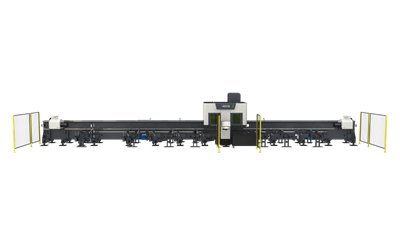
The maintenance costs of a Material Storage and Automatic Loading/Unloading System are influenced by a variety of factors, including component wear, hidden costs such as downtime and training, and the strategies implemented for maintenance. As a supplier, I understand the importance of providing customers with not only high – quality systems but also comprehensive support to manage these costs effectively.
Material Storage and Automatic Loading/Unloading System If you’re considering investing in a Material Storage and Automatic Loading/Unloading System or looking to optimize the maintenance of your existing system, I’d be more than happy to discuss your specific needs. Contact me to start a conversation about how we can work together to achieve your operational goals while keeping maintenance costs in check.
References
- "Handbook of Material Handling", edited by John A. White, John Wiley & Sons.
- "Automation, Production Systems, and Computer – Integrated Manufacturing" by Mikell P. Groover.
- Industry reports from leading research firms specializing in material handling and automation technologies.
Suzhou Quick Laser Technology Co., Ltd.
Suzhou Quick Laser Technology Co., Ltd. is one of the most professional material storage and automatic loading/unloading system manufacturers and suppliers in China, featured by quality products and good price. Please feel free to buy durable material storage and automatic loading/unloading system for sale here from our factory. For more information, contact us now.
Address: No. 6, Qingqiu Street, Industrial Park, Suzhou, Jiangsu Province, China
E-mail: info@qlteklaser.com
WebSite: https://www.qlteklaser.com/
