Alright, folks! As a supplier of rod and piston seals, I often get asked about the standard size range of these crucial components. So, I thought I’d whip up this blog post to shed some light on the matter. Rod/Piston Seal

Let’s start with the basics. Rod and piston seals play a super important role in hydraulic and pneumatic systems. They help to prevent fluid leakage and keep contaminants out, ensuring the smooth and efficient operation of the equipment. But when it comes to size, there’s no one – size – fits – all solution.
Rod Seals
Rod seals are used to seal the rod as it moves in and out of the cylinder. The size of a rod seal is typically determined by the diameter of the rod. The standard size range for rod seals can vary quite a bit, but generally speaking, we’re looking at rod diameters from as small as 6 mm up to around 500 mm.
For smaller applications, like those in precision machinery or some medical devices, you’ll often find rod seals for rods with diameters in the 6 – 20 mm range. These tiny seals need to be extremely precise to work properly. They’re made with high – quality materials to handle the specific requirements of these delicate systems.
As we move up the scale, in the industrial machinery sector, rod diameters commonly fall between 25 mm and 100 mm. This is a really common range for a lot of hydraulic cylinders used in construction equipment, manufacturing machinery, and automotive applications. The seals in this range need to be tough enough to withstand high pressures and heavy loads.
And then there are the larger – scale applications. In heavy – duty construction equipment, mining machinery, and some marine applications, rod diameters can go up to 500 mm or even more. These massive seals are designed to handle extreme pressures and large – scale movements. They’re usually made from robust materials that can stand up to the harsh environments these types of machinery operate in.
The cross – section of rod seals also varies. A common cross – section size can range from about 2.65 mm to 10 mm. The choice of cross – section depends on factors like the pressure the seal needs to handle, the space available in the housing, and the expected movement of the rod.
Piston Seals
Now, let’s talk about piston seals. These seals are installed on the piston inside the cylinder to separate the pressure chambers and prevent fluid from leaking between them.
The standard size range for piston seals is closely related to the bore diameter of the cylinder. Similar to rod seals, piston seals can be used in cylinders with bore diameters starting as small as 10 mm and going up to over 600 mm.
For small – bore cylinders, say in the range of 10 – 25 mm, these are often found in things like instrumentation or small – scale automation equipment. The seals for these cylinders need to be precise and reliable to ensure accurate operation.
In the medium – sized range, with bore diameters from 32 mm to 200 mm, piston seals are widely used in a variety of industrial applications. This includes hydraulic presses, injection molding machines, and some agricultural machinery. The seals in this range need to balance between sealing performance and durability under normal operating conditions.
When it comes to large – bore cylinders, with diameters above 200 mm, we’re looking at heavy – duty equipment like large – scale construction cranes, metal – rolling mills, and large – ship hydraulic systems. These seals have to be able to handle massive amounts of pressure and force.
The cross – section of piston seals also has a wide range. It can be anywhere from around 3.55 mm to 15 mm. The cross – section size affects the sealing ability and the amount of friction the seal creates against the cylinder wall.
Factors Affecting Size Selection
There are several factors that influence the selection of the right size for rod and piston seals.
Pressure: Higher pressure systems require seals with larger cross – sections and more robust materials. For example, in a high – pressure hydraulic system, a seal with a larger cross – section can better withstand the force exerted by the fluid.
Temperature: Extreme temperatures can affect the performance of the seals. In high – temperature environments, the seals need to be made from materials that can resist heat and maintain their shape. In cold temperatures, the seals need to remain flexible to prevent cracking.
Speed: The speed at which the rod or piston moves also matters. Faster – moving components may require seals with lower friction to reduce wear and tear.
Fluid Compatibility: The type of fluid used in the system is crucial. Different fluids can react with different seal materials. For example, some hydraulic oils may require seals made from specific rubber compounds that are resistant to the oil’s chemical properties.
Our Offerings
As a supplier of rod and piston seals, we’ve got a wide range of sizes in stock to meet different customer needs. We understand that every application is unique, so we’re always ready to work with you to find the perfect seal for your specific requirements.
Whether you’re working on a small – scale project or a large – scale industrial application, we’ve got the expertise to help you make the right choice. We source our seals from the best manufacturers, ensuring high – quality products that meet international standards.
If you’re in the market for rod or piston seals and want to know more about the sizes we offer or need some advice on which one is right for you, don’t hesitate to reach out. We’re here to make the process as easy as possible for you. Just drop us a message, and we’ll get back to you with all the details you need.
Conclusion
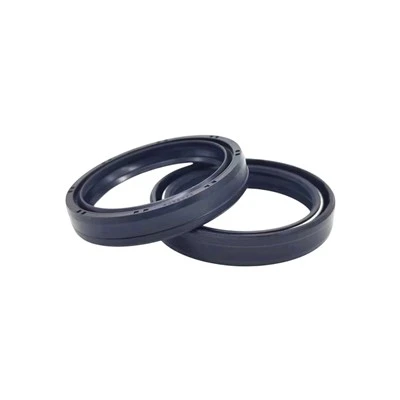
So, to sum it up, the standard size range of rod and piston seals is quite broad, covering a wide range of rod diameters, piston bore diameters, and cross – section sizes. The right size depends on various factors like pressure, temperature, speed, and fluid compatibility.
Quad Rings – X Rings As your go – to rod and piston seal supplier, we’re committed to providing you with the best products and the best service. If you’re looking to purchase rod or piston seals, we’d love to talk to you. Let’s start a conversation and find the perfect seals for your project!
References
- "Hydraulic Seals Handbook", various industry – specific publications on hydraulic and pneumatic systems
- Technical data sheets from leading seal manufacturers
Hebei Jinwo Machinery Technology Co., Ltd.
Hebei Jinwo Machinery Technology Co., Ltd. is one of the most professional rod/piston seal manufacturers and suppliers in China, featured by quality products and good price. Welcome to buy bulk advanced rod/piston seal in stock here and get pricelist from our factory. We also accept customized orders.
Address: Room 2109, Tower A, Meidong International, No.16 Guang’an Avenue, Chang’an District, Shijiazhuang City, Hebei Province, China
E-mail: info@jinwoseal.com
WebSite: https://www.jinwoseal.com/
