Yo, what’s up! I’m a supplier in the textile hot air blowing game. Today, I wanna chat about the differences in hot air blowing for different surface finishes of textiles. It’s a pretty interesting topic, and it can really make a big difference in the quality of the final product. Textile Hot Air Blowing
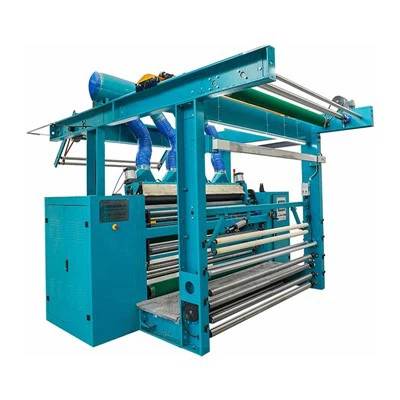
First off, let’s talk about what surface finishes are. Surface finishes are the treatments applied to the surface of textiles to change their appearance, feel, or performance. There are a bunch of different surface finishes out there, like smooth finishes, rough finishes, shiny finishes, and matte finishes. Each of these finishes has its own unique characteristics, and they can all affect how hot air blowing works.
Let’s start with smooth finishes. Textiles with smooth finishes, like silk or polyester, are pretty easy to work with when it comes to hot air blowing. The smooth surface allows the hot air to flow evenly over the fabric, which helps to dry it quickly and evenly. This is because there are no bumps or ridges on the surface to disrupt the airflow. When you’re using hot air blowing on smooth-finished textiles, you can usually get away with using a lower temperature and a shorter blowing time. This not only saves energy but also reduces the risk of damaging the fabric.
On the flip side, rough finishes are a bit more challenging. Textiles with rough finishes, like wool or cotton canvas, have a lot of texture on the surface. This texture can make it difficult for the hot air to reach all parts of the fabric evenly. As a result, you might need to use a higher temperature and a longer blowing time to ensure that the fabric is completely dry. However, you have to be careful not to overheat the fabric, as this can cause it to shrink or become damaged. I usually recommend using a more gentle hot air flow and moving the blower around the fabric to make sure that all areas get enough heat.
Shiny finishes are another story. Textiles with shiny finishes, such as satin or metallic fabrics, often have a special coating on the surface. This coating can be sensitive to heat, so you need to be extra careful when using hot air blowing. If you use too high a temperature, the coating can melt or become discolored. I typically suggest using a lower temperature and a longer blowing time to avoid any damage. You might also want to test a small, inconspicuous area of the fabric first to see how it reacts to the hot air.
Matte finishes are a bit more forgiving than shiny finishes, but they still have their quirks. Textiles with matte finishes, like some types of cotton or linen, don’t have a reflective surface, so they can absorb more heat. This means that you can use a slightly higher temperature when blowing hot air on them, but you still need to keep an eye on the fabric to make sure it doesn’t overheat. The key is to find the right balance between drying the fabric quickly and protecting its integrity.
Another factor to consider is the thickness of the textile. Thicker fabrics generally take longer to dry than thinner ones, regardless of the surface finish. When dealing with thick textiles, you might need to increase the temperature and the blowing time. But again, you have to be careful not to go overboard. You can also try blowing hot air from both sides of the fabric to speed up the drying process.
Now, let’s talk about the benefits of using hot air blowing for different surface finishes. For smooth finishes, hot air blowing can help to enhance the luster and smoothness of the fabric. It can also remove any wrinkles or creases, giving the fabric a more professional look. For rough finishes, hot air blowing can help to set the texture and make the fabric more durable. It can also help to remove any dirt or debris that might be stuck in the fibers. For shiny finishes, hot air blowing can help to preserve the coating and keep the fabric looking shiny and new. And for matte finishes, hot air blowing can help to dry the fabric quickly and prevent any mildew or mold from growing.
In my experience, the key to successful hot air blowing for different surface finishes is to understand the properties of the fabric and adjust your settings accordingly. You also need to use a high-quality hot air blower that can provide a consistent and even flow of hot air. At my company, we’ve got a range of hot air blowers that are designed specifically for textile applications. They’re easy to use, energy-efficient, and can handle a variety of different surface finishes.
If you’re in the textile industry and you’re looking for a reliable hot air blowing solution, I’d love to hear from you. Whether you’re working with smooth, rough, shiny, or matte finishes, we’ve got the expertise and the equipment to help you get the job done right. Just reach out to us, and we can have a chat about your specific needs. We can provide you with a customized solution that will meet your requirements and help you improve the quality of your products.

So, don’t hesitate to get in touch if you’re interested in learning more about our textile hot air blowing services. We’re here to help you take your textile production to the next level!
Dehydration References
- Textile Chemistry and Physics by Lewis Madison Prescott
- Handbook of Textile Fibre Structure by Peter H. Hermans
Jiangsu Feng Te Technology Co., Ltd.
We’re well-known as one of the leading textile hot air blowing manufacturers in China. With a professional production team, we are able to meet the needs of the majority of our customers. Please rest assured to buy discount textile hot air blowing for sale here from our factory.
Address: No. 4 Zhanghong Road, Siying Industrial Park, Lianyungang City, Jiangsu Province, China
E-mail: frentejenny@foxmail.com
WebSite: https://www.jsfrente.net/
